Sara Ali Khan has often brought a distinctly individual approach to fashion, balancing traditional Indian silhouettes with a more relaxed, contemporary sensibility. In a recent conversation with Hello! India, the actor opened up about her reading habits, personal style and the wardrobe pieces that hold sentimental value for her.
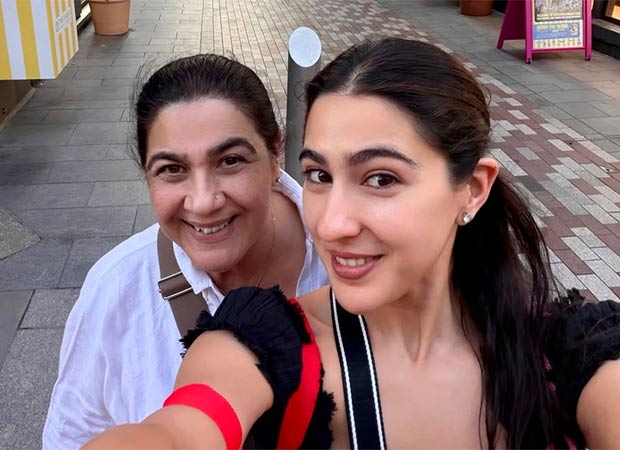 A history and political science graduate from Columbia University in New York, she revealed that reading remains a regular part of her routine, even during a busy cover shoot. “I love Chitra Banerjee Divakaruni’s work. I’m currently re-reading The Last Queen. I also love Elif Shafak’s The Forty Rules of Love,” she shared.
Sara Ali Khan’s fashion philosophy
When it comes to fashion, Sara appears to favour comfort and individuality over simply following what is trending. Asked to describe her style in three words, she chose “Comfy, traditional, and unique.”
Her answers to a quick fashion round further highlighted the same approach. While Balenciaga is her favourite fashion brand and Manish Malhotra is the designer she can rely on, Sara has a clear preference when it comes to everyday footwear and occasion dressing.
Between sneakers and heels, she picks sneakers. And when asked to choose between sarees and sequins, her answer was far more rooted in classic Indian dressing: “Churidar-kurta!”
Sara also revealed that she has never been particularly interested in following trends.
“I’ve never really followed trends,” she said.
A wardrobe with a personal connection
Among the most treasured pieces in Sara’s wardrobe are not necessarily designer creations. She holds on to her grandmother’s heirloom sarees, which were passed down to her by her mother.
“The most treasured items in my wardrobe? My nani’s heirloom sarees that my mom gave me,” she shared.
The personal significance attached to these pieces appears to extend to her own fashion choices as well. When asked about her last fashion purchase, Sara revealed that it was not for herself. She bought a black leather Ralph Lauren overcoat for her mother.
The outfit that makes Sara feel confident
For Sara, confidence comes from an outfit that is comfortable while still retaining a strong connection to Indian craftsmanship. Her instant confidence pick is a white chikankari salwar-kameez.
The choice fits into the broader style philosophy she described, one that combines comfort with traditional elements. It also sits alongside her preference for churidar-kurtas and her attachment to heirloom sarees.
When it comes to celebrity style, however, Sara looks beyond understated dressing. Asked whose fashion she admires, she named Ranveer Singh.
From sneakers over heels to heirloom sarees over fleeting trends, Sara’s answers suggest that her approach to fashion is less about following a defined rulebook and more about choosing pieces that feel comfortable, personal and distinctive.
Also Read: Sara Ali Khan recreates Amrita Singh’s iconic Waaris look during Udta Teer promotion; see pics
The post Sara Ali Khan calls Naani’s heirloom sarees her most treasured wardrobe pieces; REVEALS last fashion purchase for mother Amrita Singh appeared first on Bollywood Hungama.
from Bollywood Hungama https://ift.tt/xVkE7A0