

Sometimes, one statement is enough to expose an entire system. Dibyendu Bhattacharya’s recent revelation that he was allegedly replaced in an advertisement because of his dark skin is not just another actor’s painful industry anecdote. It is a reminder of a truth that Bollywood has spoken around for decades but rarely confronted directly.
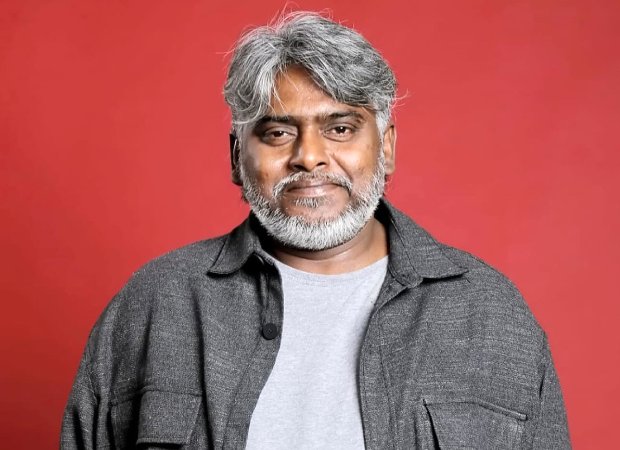
According to reports, the actor recalled that he was once replaced shortly before an ad shoot because the team supposedly did not want a kaala actor. The sentence is ugly. But what makes it uglier is that it does not shock anyone enough. And that, perhaps, is the real problem.
Colourism in Hindi cinema is not new. It has existed in casting rooms, brand meetings, makeup vans, magazine covers, song picturisations and advertising campaigns. The industry has always known it. The audience has always sensed it. Yet, every few years, when an actor says it aloud, everyone behaves as if this is a new wound. It is not. It is an old infection.
Bollywood has often celebrated itself as aspirational, glamorous and progressive. It speaks beautifully about representation. It gives speeches about diversity. It applauds itself when rooted stories become successful. But when it comes to the visual imagination of beauty, desirability and mainstream appeal, large parts of the system still remain trapped in outdated ideas. Fair is still too often treated as premium. Dark is still too often treated as earthy, intense, poor, dangerous, comic, villainous or character actor material.
This is not merely about who gets cast. It is about what kind of person a darker-skinned actor is allowed to be on screen. Can he be romantic? Can she be glamorous? Can he be wealthy? Can she be soft? Can he be the centre of desire? Can she be the face of luxury? Can he sell a perfume, a car, a watch, a wedding campaign or a premium brand without the casting brief suddenly becoming coded? This is where the real colourism lives, not only in rejection, but in categorisation.
Hindi cinema has always had brilliant, darker-skinned actors. Many of them have delivered unforgettable performances. But the industry has too often admired them as talented while reserving words like beautiful, heroic, desirable and aspirational for a narrower visual type. That is the polite hypocrisy. Talent is allowed. Stardom is rationed.
Dibyendu Bhattacharya’s case becomes even more significant because it reportedly came from the advertising space. Films can often hide behind excuses like script, character, region, realism or period setting. Advertising has fewer hiding places. Ads reveal what the market thinks desire looks like. Ads reveal who brands believe the consumer wants to become. If a talented actor can be rejected because his skin tone does not fit a brand’s idea of acceptability, then the issue is not merely artistic. It is commercial prejudice dressed up as market logic.
That is why this debate cannot stop at Bollywood alone. It must include brands, casting agencies, ad filmmakers, creative directors, marketing heads and the larger beauty economy. Cinema reflects society, yes. But cinema and advertising also train society. For decades, Indian audiences were told, directly or indirectly, that fairness equals confidence, marriageability, success, modernity and upward mobility. The names of fairness products may have changed. The vocabulary may have become safer. But has the mindset changed enough? Dibyendu’s revelation suggests that it has not.
The irony is that the audience has moved ahead faster than the industry in many ways. Today’s viewers are more accepting of faces, accents, body types and personalities that would once have been dismissed as non-mainstream. OTT has played a major role in this shift. Regional cinema has also challenged the old beauty template. Social media, too, has weakened the monopoly of the traditional glamour factory. Audiences now celebrate performers who feel authentic. They are not as obsessed with the airbrushed template as the industry imagines them to be.
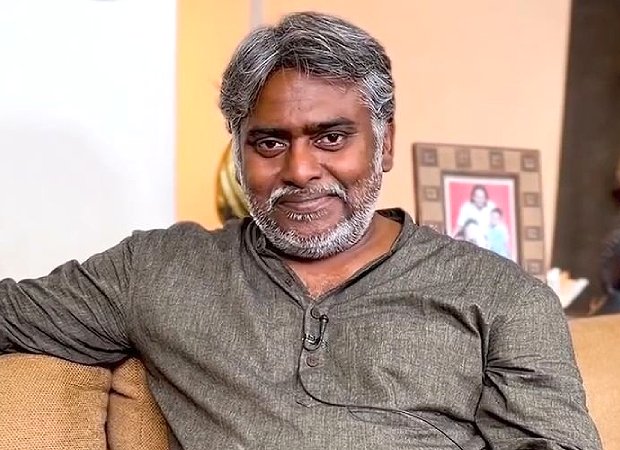
And yet, the industry continues to second-guess the audience.
The excuse is always the same: This is what sells. But who decided that? And for how long will the industry keep hiding behind the consumer while actively shaping the consumer’s choices? If only one kind of face is repeatedly projected as desirable, the market will naturally learn to desire that face. If the screen keeps saying fair is premium, the audience will absorb it. If the screen changes, the audience can change too.
Bollywood cannot claim to be progressive while quietly preserving regressive casting filters. It is not enough for the industry to post supportive messages whenever such stories emerge. Casting briefs must change. Brand conversations must change. Makeup and lighting practices must change. Character descriptions must change.
There is a larger creative loss too. When an industry filters people through fairness, it damages storytelling. It narrows the emotional palette. It makes the screen less Indian, not more aspirational. India is not one shade. India is not one face. India is not one type of beauty. The more Bollywood tries to flatten that diversity, the more artificial it looks. Dibyendu Bhattacharya’s revelation hurts because it is believable. That is the shame of it.
The industry now has two choices. It can treat this as one more outrage cycle that will fade in 48 hours. Or it can use it as a mirror.
Because this is not about one advertisement. This is not about one actor. This is not about one casting decision. This is about the invisible hierarchy that decides who gets to be seen, how they get to be seen and whether they are allowed to be more than their complexion.
Bollywood loves to say that talent eventually wins. Dibyendu Bhattacharya’s revelation forces a more uncomfortable question: how many talented people were never even allowed to reach the starting line because the industry could not look beyond their skin?
The post Dibyendu Bhattacharya exposes Bollywood colourism; why the industry’s fairness bias refuses to die appeared first on Bollywood Hungama.
from Bollywood Hungama https://ift.tt/8Kyhpzo
0 Comments: